All Categories
Featured
Table of Contents
Have you believed how much the readily available innovations dictate how we live? Here are some difficulties to consider next time you discover yourself in the following situations: In your automobile on a long-distance trip: just how much it took a person to get to your destination 200 years ago? The number of of individuals could pay for that? In the laundry space: just how much time you don't spend cleaning and drying your clothing? Calling a friend on the phone: Just how much did interaction change after the cellphones replaced the landlines? Understanding the innovation waves is vital for creators and item leaders looking to stay ahead of the curve.
Innovation cycles are periods of technological and financial modification that interrupt existing markets and produce innovative items. Joseph Schumpeter was a financial expert who created "imaginative destruction" in 1942. It explains how these cycles result in the increase and fall of industries. The first wave of development started in the late 18th century with the development of water power and textile manufacturing.
Water-powered mills transformed the production of paper, fabric, and iron goods, causing significant financial development. Between 1845 and 1900, the 2nd wave was driven by steam power and the rail market. Railways linked cities, boosted trade, and spurred industrial growth. This age likewise saw advancements in steel production, even more sustaining economic growth.
Innovation Hubs Versus Traditional Enterprise Models
It was marked by the broad adoption of electricity and the introduction of chemical markets. Developments like the incandescent light bulb and telephone changed interaction and improved quality of life. The fourth wave spanned the early to mid-20th century. It brought the mass production of automobiles and the introduction of aviation.
In the late 20th century, the fifth wave was defined by the increase of computers and digital networks. The internet altered info sharing, communication, and commerce, bring to life the digital age we live in today. We are presently in the sixth wave of innovation, driven by expert system (AI), the Internet of Things (IoT), robotics, and clean tech.
Understanding innovation cycles is vital to construct a successful and enduring service in a continuously evolving environment. Here's why: By acknowledging the phases of innovation cycles, businesses can anticipate market shifts and adapt accordingly.
Innovation cycles often bring about brand-new technologies to enhance effectiveness and drive growth. For instance, AI-powered tools can improve operations, improve decision-making, and optimize resource allotment. Tidy technologies lower the cost of operations and reliances on limited resources. Remaining on top of emerging innovations enables businesses to satisfy client requirements better.
The book "Crossing the Chasm" defines the different stages of development adoption utilizing various psychographic profiles. The theory behind the book describes the mechanism for a discontinuous innovation to acquire traction and become a mainstream item. Utilizing the very same model for development adoption can also help comprehend the wave of innovation.
Review Systems Creating Secure Gateways for External R&D Contributors The LinkInnovation Centers Vs. Traditional Enterprise Laboratories
The innovation adoption curve consists of five stages: Innovators are the first to adopt brand-new technologies. These risk-takers are ready to experiment and invest in unverified services, setting the stage for broader adoption.

The early bulk represents a significant part of the market. These adopters wait till developments have actually been proven and evaluated before dedicating.
They might withstand change due to skepticism or lack of resources, ultimately embracing developments when they end up being unavoidable. Adapting your product and services to each client sector will help you fulfill that client's needs and extract the optimum advantage. (source: Wikimedia) To successfully execute innovation in your company, consider the following actions: Conduct comprehensive marketing research to recognize emerging patterns and technologies relevant to your industry.
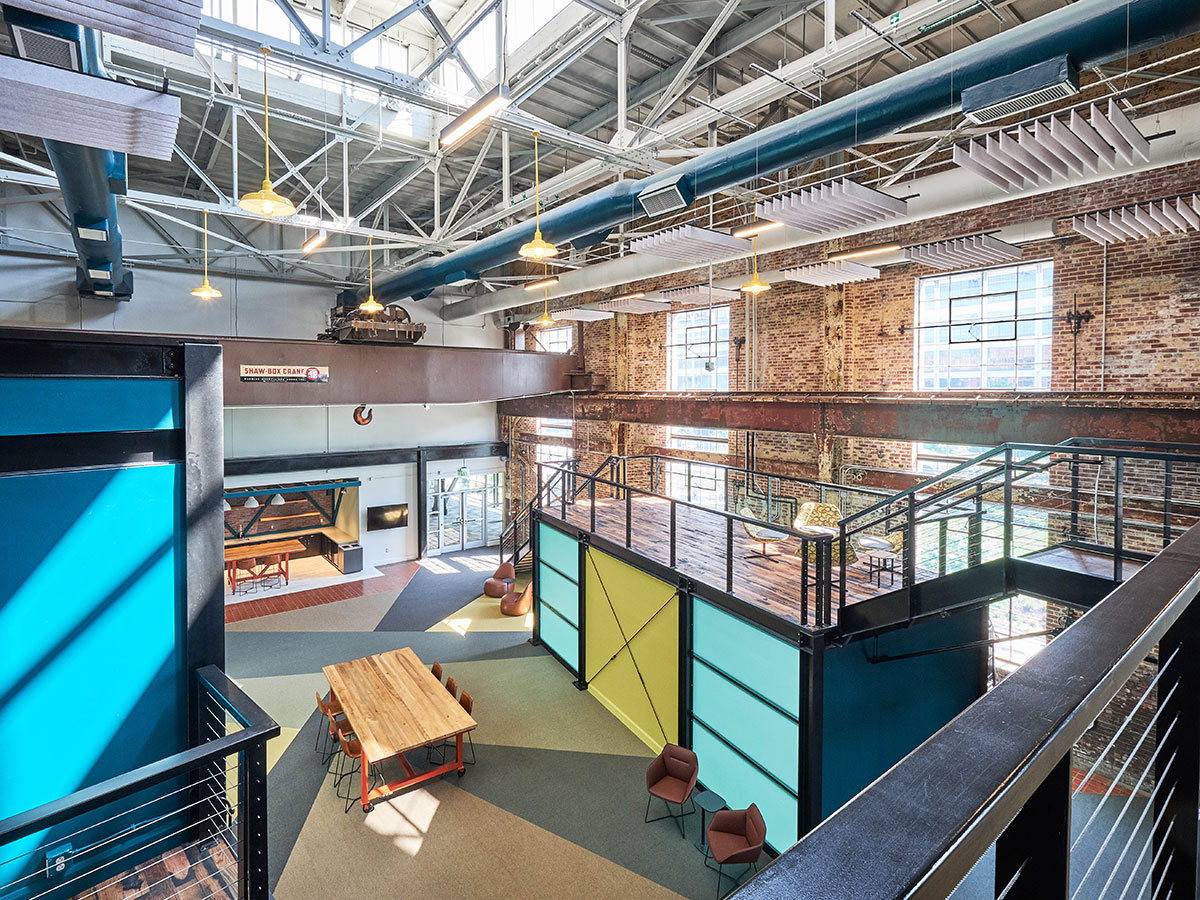
Leveraging Modern Technology Innovation Cycles in 2026
The Icanpreneur platform can help you perform consumer problem interviews following the very best market practices. Establish a clear method for incorporating brand-new technologies into your service. This must include setting particular objectives, designating resources, and establishing timelines for execution. Encourage a culture of innovation within your company. You can attain such a culture by: promoting imagination, supporting risk-taking, providing opportunities.
Collaborate with market specialists, research organizations, and technology companies to stay informed about the most current advancements. Networking will help you gain access to valuable insights and resources for successful development.

Latest Posts
Essential Digital Transformation Frameworks for 2026 Success
Analyzing the Future for Corporate Tech Transformation
How 2026 Innovation Hubs Influence Success